
How to Spot Tree Damage After a Cold Snap
Trevor Soltys & Paul Kasper
Watch: How to Spot Tree Damage After a Cold Snap in Winnipeg
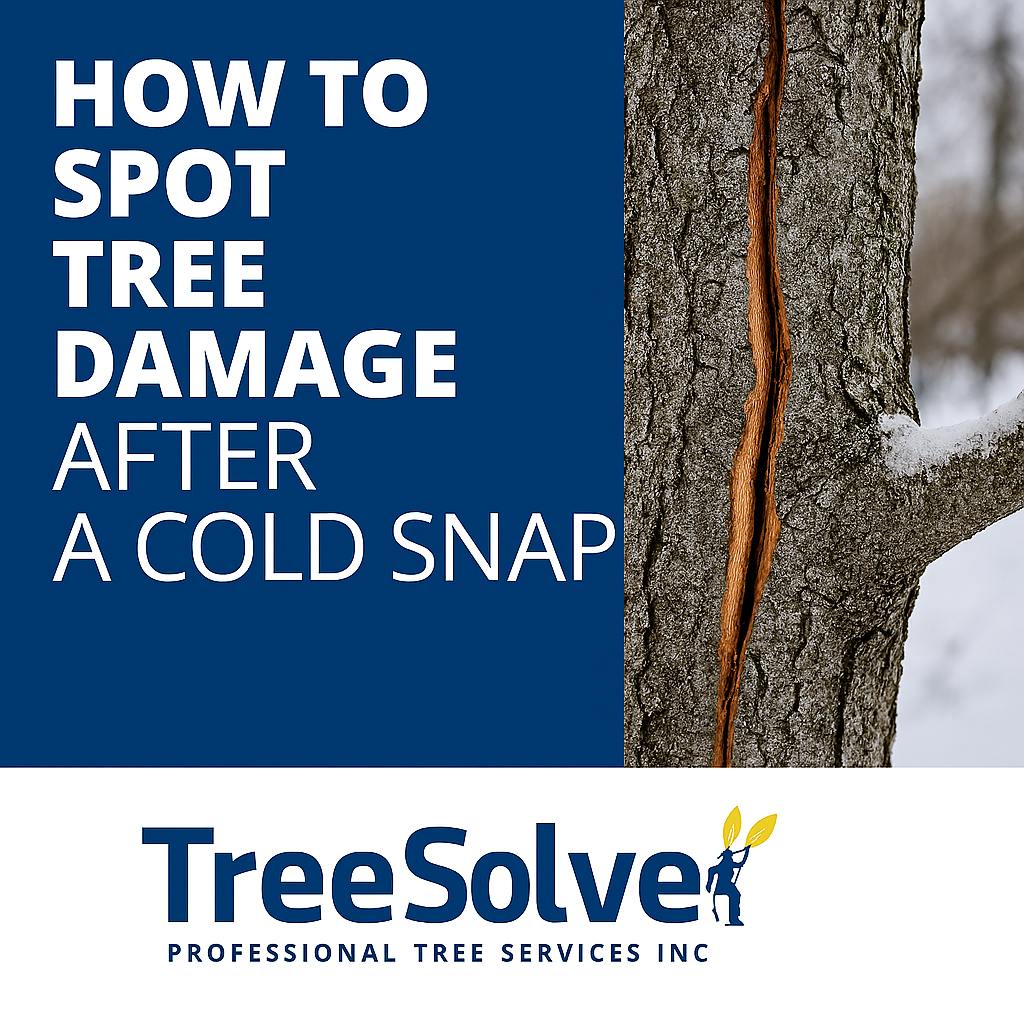
🌳 Extreme cold snaps can cause hidden stress in trees. Some damage appears immediately — other signs show up weeks later.
Signs of Cold Damage
- ❄️ Bark splitting (frost cracks)
- 🧊 Discolored or brittle twigs
- 🌿 Buds that fail to swell in spring
- 🪵 Dieback on branch tips
What Homeowners Should Do
- Inspect trunks for vertical cracks
- Look for branches that snap easily
- Check evergreen needles for browning
- Schedule a post‑cold‑snap assessment
Conclusion
Cold damage can weaken trees long before symptoms appear. TreeSolve can identify risks early and recommend corrective pruning or support.
👉 Contact us: https://www.treesolve.ca/contact-us
👉 Tree Removal: https://www.treesolve.ca/services/tree-removal
👉 Stump Grinding: https://www.treesolve.ca/services/stump-grinding
👉 Pruning: https://www.treesolve.ca/services/pruning
👉 Tree Cabling: https://www.treesolve.ca/services/tree-cabling
👉 EAB Injections: https://www.treesolve.ca/services/emerald-ash-borer-injections
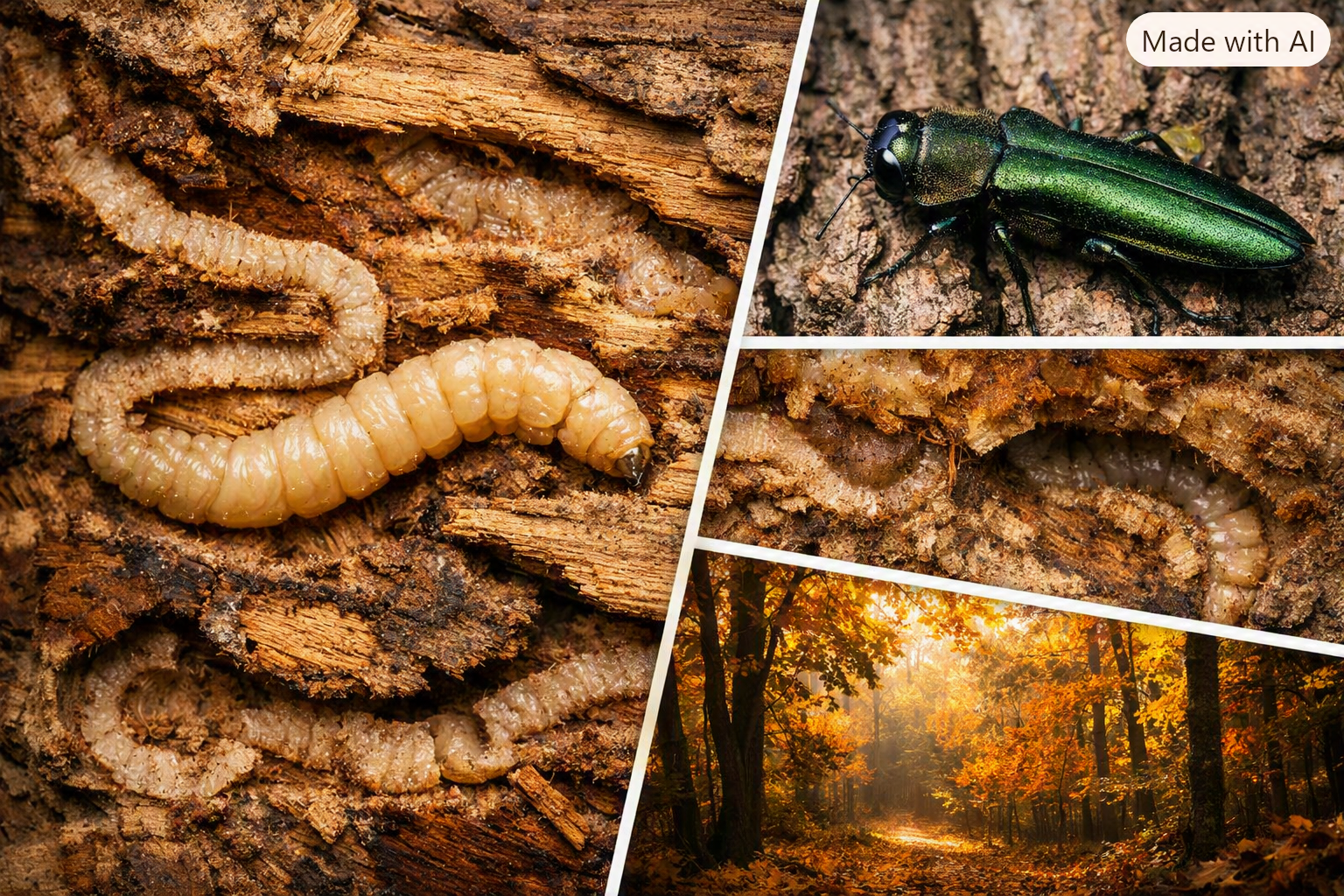
Understand the EAB lifecycle & its impact on ash trees. Schedule your trunk injections this fall for effective protection!

Check for signs of tree stress & disease this fall. Contact TreeSolve for expert assessments and tree care services!
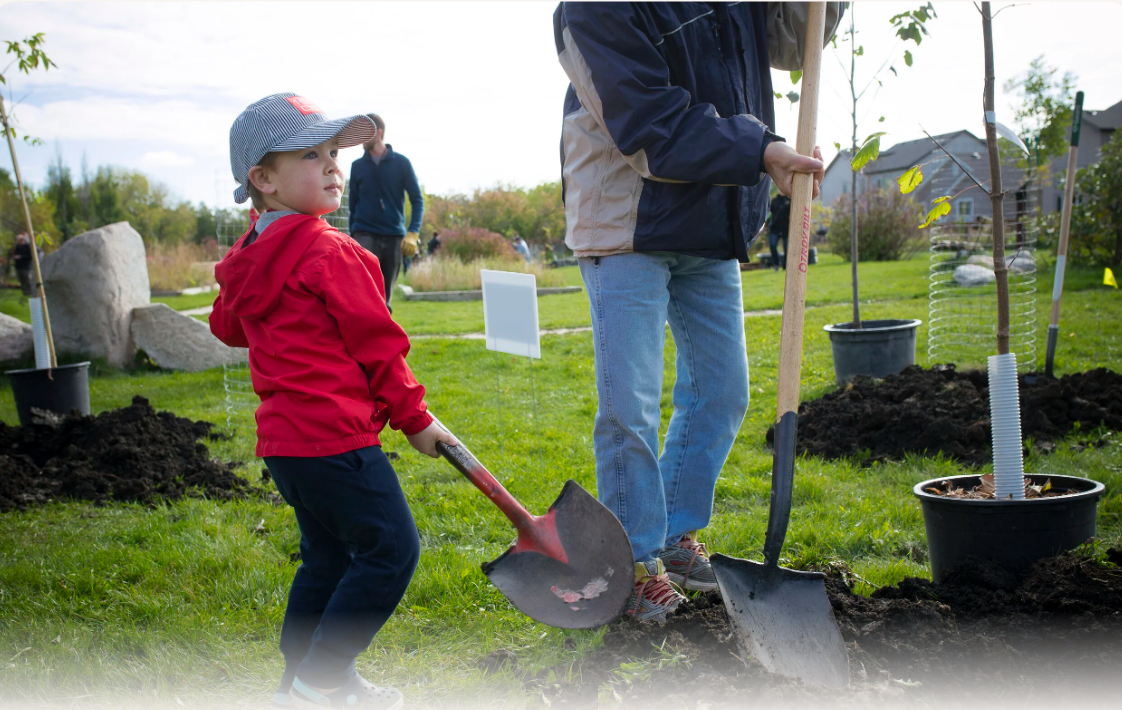
Don't sabotage your new landscape before winter hits. Avoid these critical autumn tree planting errors regarding depth, watering, and root preparation.
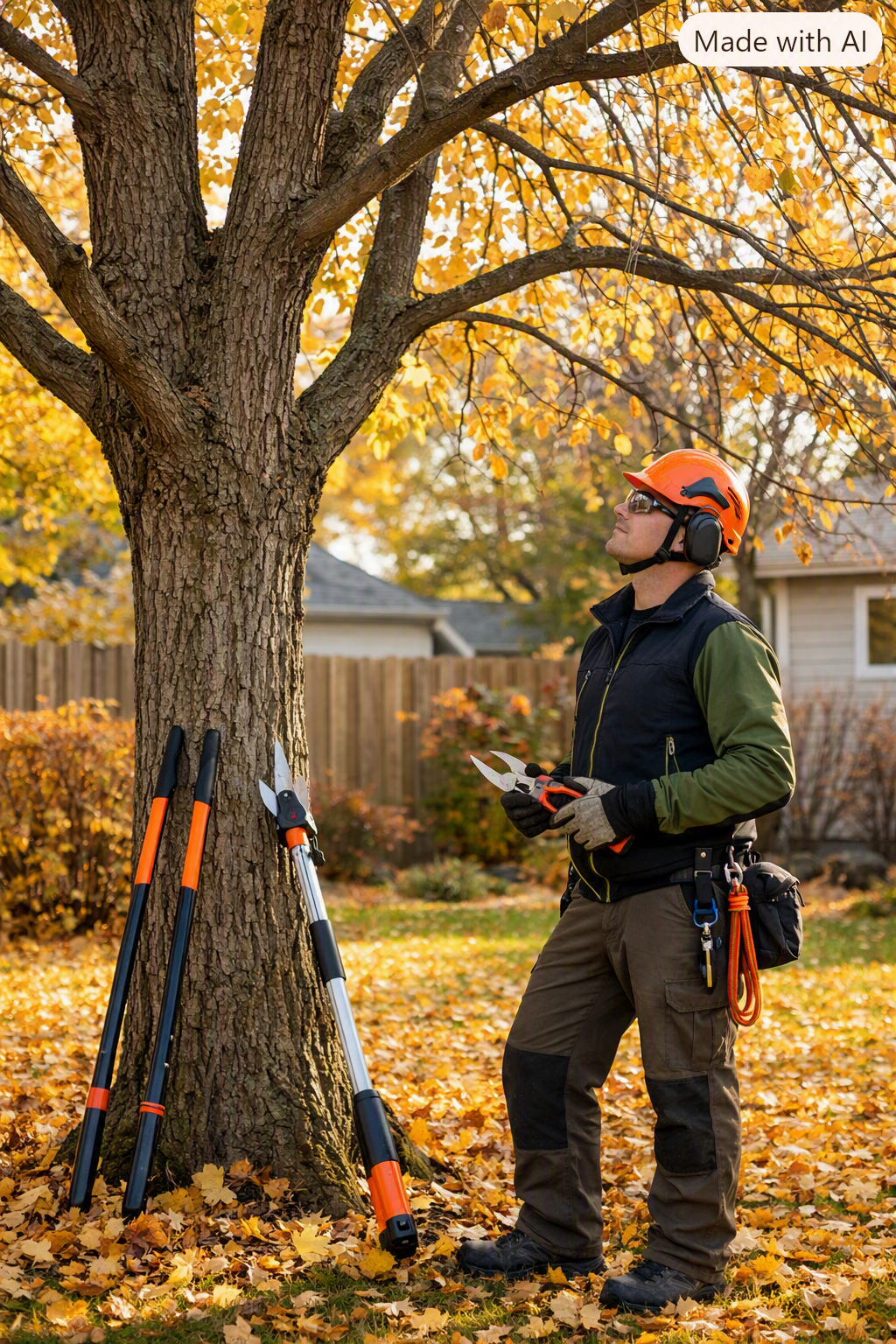
Give your canopy a head start on spring. Learn why autumn pruning improves tree structure, limits pest exposure, and prepares branches for heavy winter snow.