
Winter Tree Pests — What Winnipeg Homeowners Should Watch For
Trevor Soltys & Paul Kasper
Watch: Winter Tree Pest To Watch For In Winnipeg
🌳 Even in deep winter, some pests remain active — hiding in bark, soil, or under snow. These overwintering insects can cause serious damage once temperatures rise. Knowing what to look for now helps protect your trees before spring arrives.
Common Winter Pests in Winnipeg
- 🐛
Emerald Ash Borer (EAB)
Larvae overwinter beneath bark, feeding on inner tissues and weakening ash trees.
- 🐜
Aphid Eggs
Many aphid species lay eggs on twigs that hatch early in spring.
- 🐞
Spider Mites
Some species remain active during warm winter days, feeding on needles.
- 🐛
Tent Caterpillar Egg Masses
Visible as shiny, dark bands wrapped around twigs.
How to Protect Your Trees
- Inspect bark for holes, sawdust, or unusual patterns
- Look for egg masses on twigs
- Schedule a winter inspection to catch early signs
- Prune infested branches during dormancy
Conclusion
Winter is the perfect time to get ahead of pest problems. TreeSolve can identify overwintering pests and recommend safe, effective treatments before spring.
👉 Contact us: https://www.treesolve.ca/contact-us
👉 Tree Removal: https://www.treesolve.ca/services/tree-removal
👉 Stump Grinding: https://www.treesolve.ca/services/stump-grinding
👉 Pruning: https://www.treesolve.ca/services/pruning
👉 Tree Cabling: https://www.treesolve.ca/services/tree-cabling
👉 EAB Injections: https://www.treesolve.ca/services/emerald-ash-borer-injections
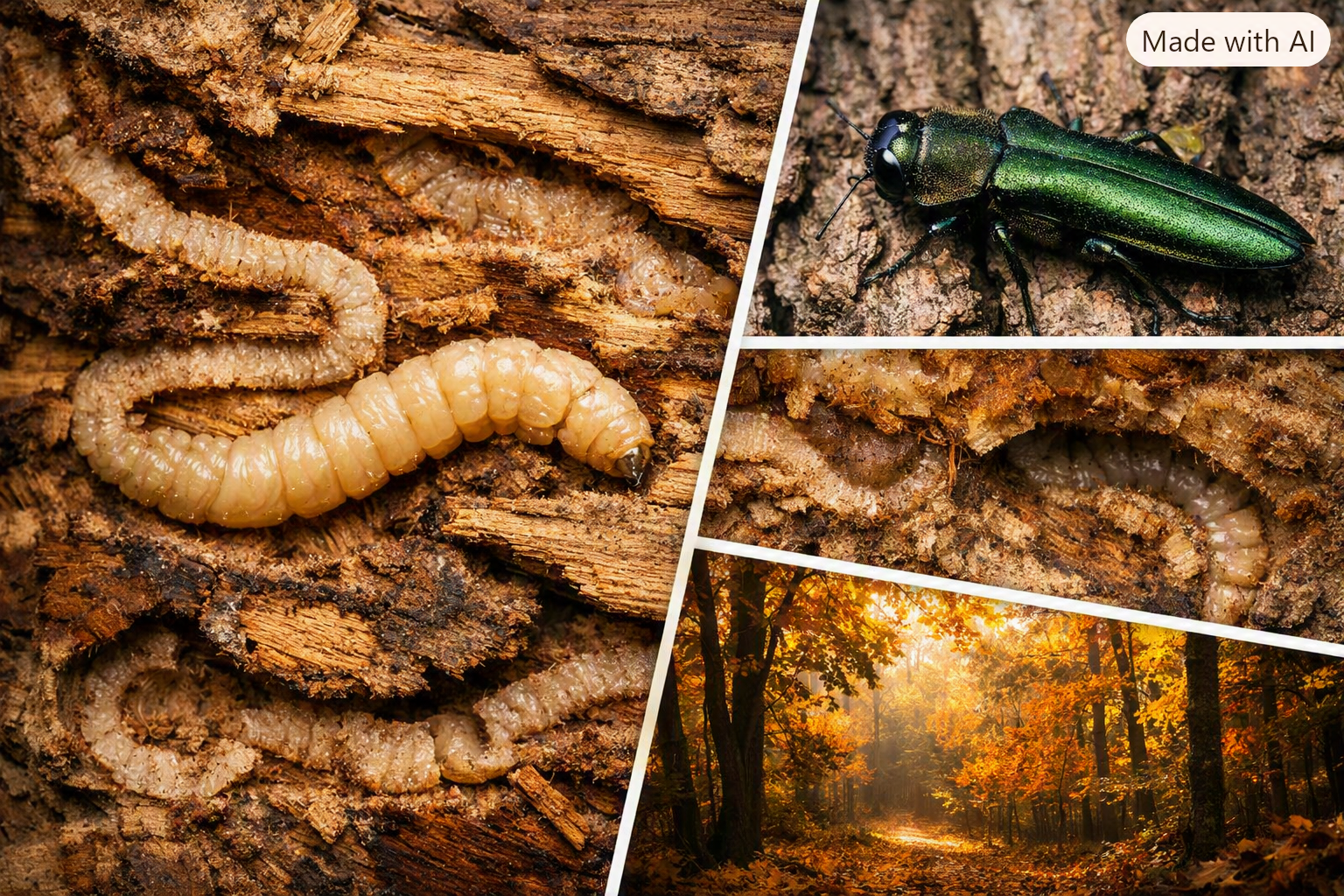
Understand the EAB lifecycle & its impact on ash trees. Schedule your trunk injections this fall for effective protection!

Check for signs of tree stress & disease this fall. Contact TreeSolve for expert assessments and tree care services!
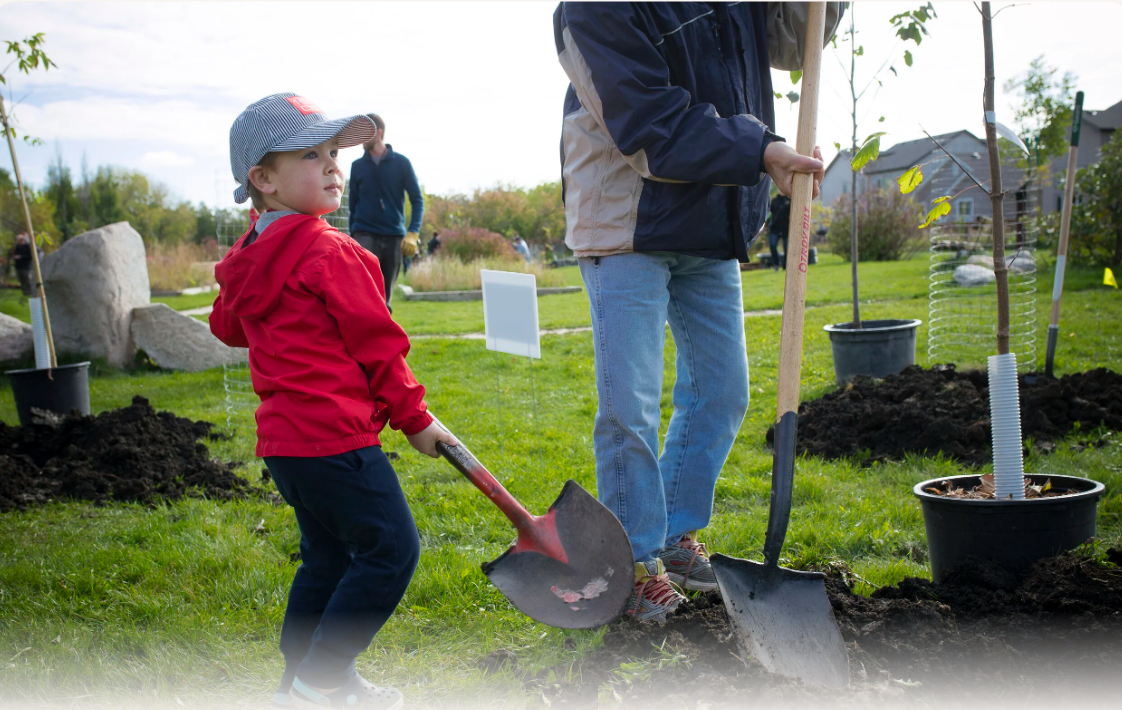
Don't sabotage your new landscape before winter hits. Avoid these critical autumn tree planting errors regarding depth, watering, and root preparation.
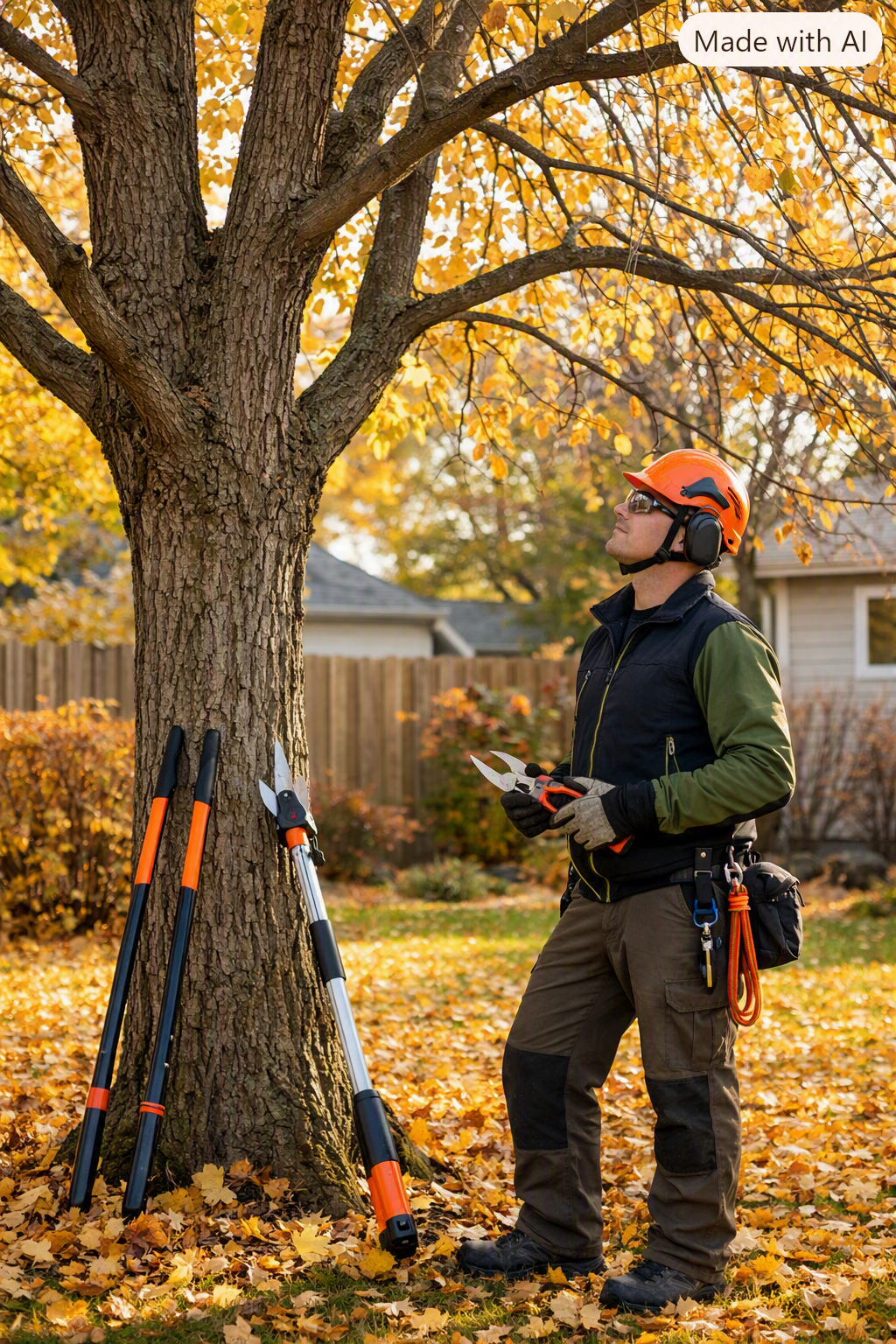
Give your canopy a head start on spring. Learn why autumn pruning improves tree structure, limits pest exposure, and prepares branches for heavy winter snow.