Why Your Trees Grow Unevenly — And How to Correct It Safely
Trevor Soltys & Paul Kasper
Introduction
If you’ve ever noticed a tree leaning, growing lopsided, or producing more branches on one side than the other, you’re not alone. Uneven growth is extremely common — but it can also be a warning sign. Understanding why it happens helps you protect your trees and prevent long‑term structural issues.
🌞 1. Sunlight Competition
Trees naturally grow toward the strongest light source.
Common signs:
- Branches heavier on the sunny side
- Sparse growth on the shaded side
- Leaning trunks
This is normal, but extreme cases may require corrective pruning.
🌬️ 2. Prevailing Winds
Strong winds can push growth in one direction.
What to look for:
- Trees leaning away from wind
- Branches growing more densely on the sheltered side
- Wind‑burned foliage
Wind‑shaped trees may need structural support.
🌱 3. Root Restrictions
Underground obstacles affect above‑ground growth.
Possible causes:
- Sidewalks
- Driveways
- Compacted soil
- Buried construction debris
Restricted roots = uneven canopy.
🌳 4. Past Improper Pruning
DIY pruning often creates long‑term imbalance.
Signs include:
- One‑sided canopies
- Excessive vertical shoots
- Weak branch unions
Corrective pruning can restore balance over time.
🛠️ 5. How to Fix Uneven Growth Safely
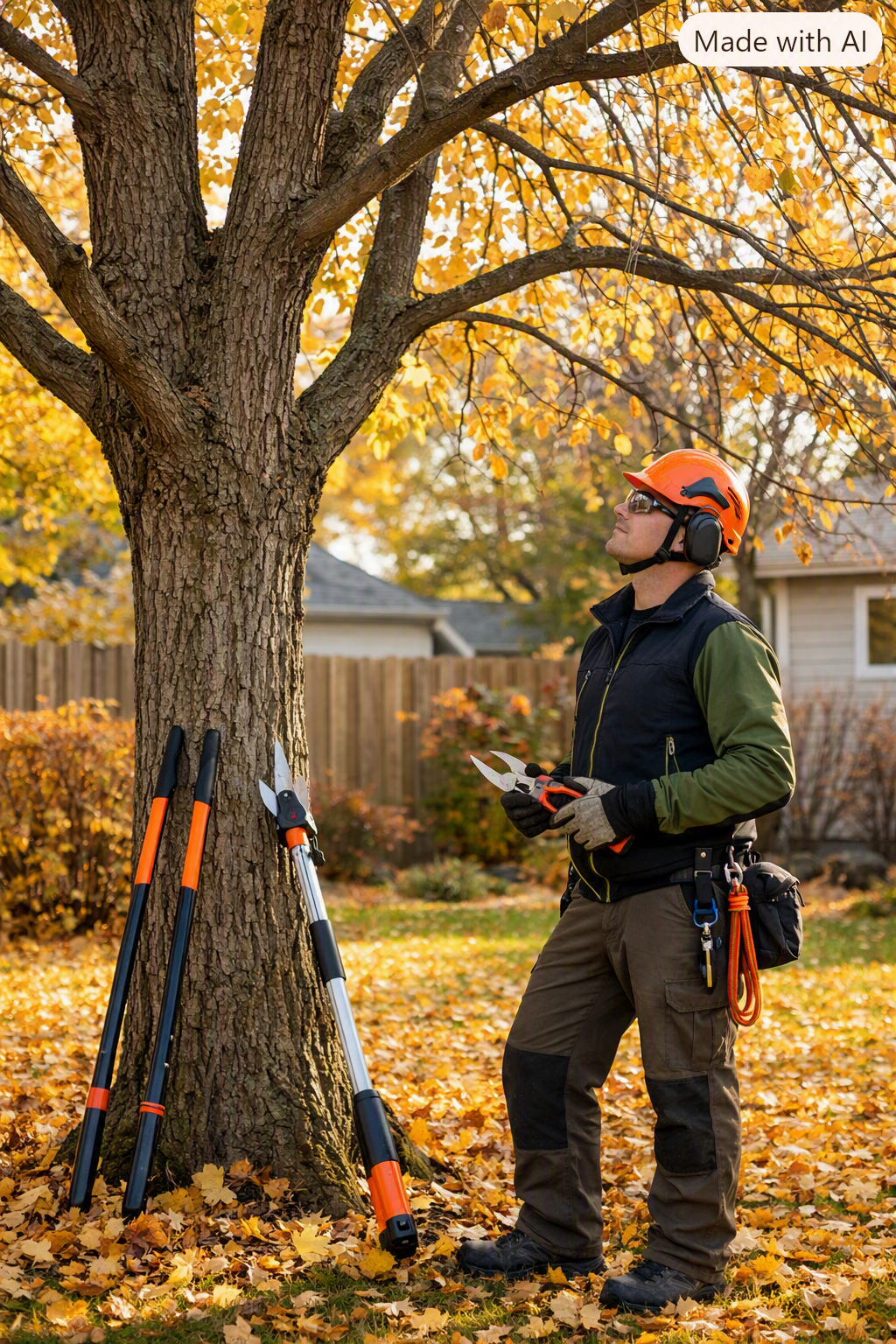
- Use structural pruning to rebalance the canopy
- Remove competing leaders
- Reduce weight on the heavy side
- Consider cabling for added support
- Improve soil conditions if roots are restricted
Never remove too much at once — it stresses the tree.
Conclusion
Uneven growth isn’t always dangerous, but it’s worth monitoring. A professional assessment ensures your tree stays healthy, balanced, and safe for years to come.
👉 Contact us: https://www.treesolve.ca/contact-us
👉 Tree Removal: https://www.treesolve.ca/services/tree-removal
👉 Stump Grinding: https://www.treesolve.ca/services/stump-grinding
👉 Pruning: https://www.treesolve.ca/services/pruning
👉 Tree Cabling: https://www.treesolve.ca/services/tree-cabling
👉 EAB Injections: https://www.treesolve.ca/services/emerald-ash-borer-injections