The Spring Tree Health Checklist Every Homeowner Should Follow
Trevor Soltys & Paul Kasper
ISA‑Certified Arborists Serving Winnipeg & Surrounding Communities
https://treesolve.ca
Introduction
Spring is when your trees wake up — and it’s also when hidden winter damage becomes obvious. A quick inspection now can prevent expensive problems later, especially in Manitoba’s unpredictable climate. This checklist gives homeowners a simple, reliable way to assess tree health and know when to call a professional.
🌳 1. Inspect for Winter Damage
Cold snaps, heavy snow, and ice can weaken branches and bark.
Look for:
- Cracks in the trunk
- Broken or hanging limbs
- Bark splitting
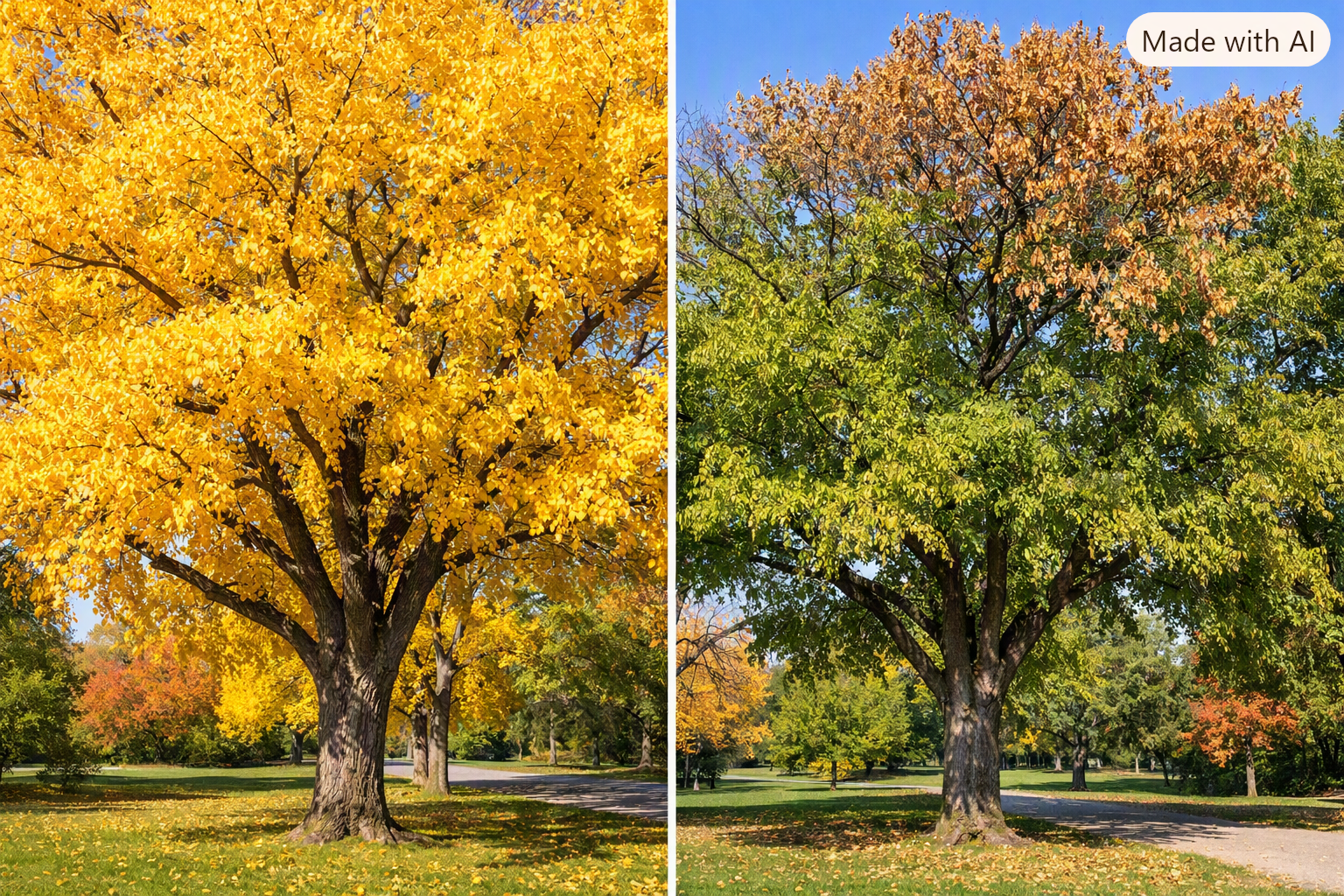
- Branches that didn’t produce buds
If you see any of these, the tree may be structurally compromised.
🌿 2. Check for Early Pest Activity
Spring is when insects emerge and start feeding.
Common early‑season pests:
- Aphids
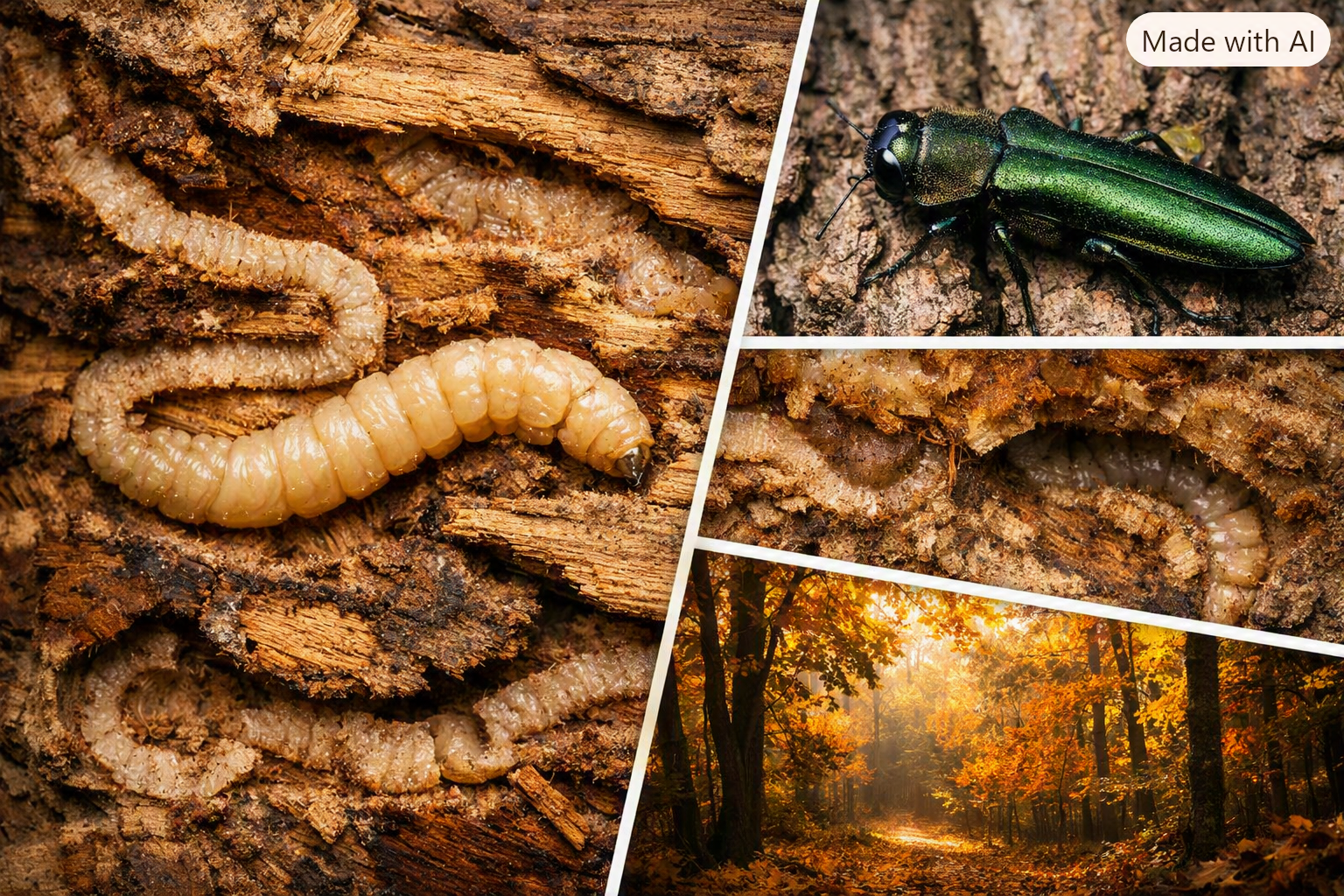
- Borers
- Spider mites
- Caterpillars
Warning signs: sticky residue, small holes, webbing, or clusters of insects.
💧 3. Refresh Mulch and Soil
Mulch protects roots and stabilizes moisture.
Best practices:
- 2–3 inches of mulch
- Keep mulch away from the trunk
- Avoid “mulch volcanoes”
Healthy soil = healthy trees.
✂️ 4. Remove Dead or Damaged Branches
Deadwood spreads disease and increases storm risk.
If branches snap easily, crumble, or have no buds, they’re likely dead.
🌦️ 5. Prepare for Spring Storms
Spring storms can be intense.
Consider:
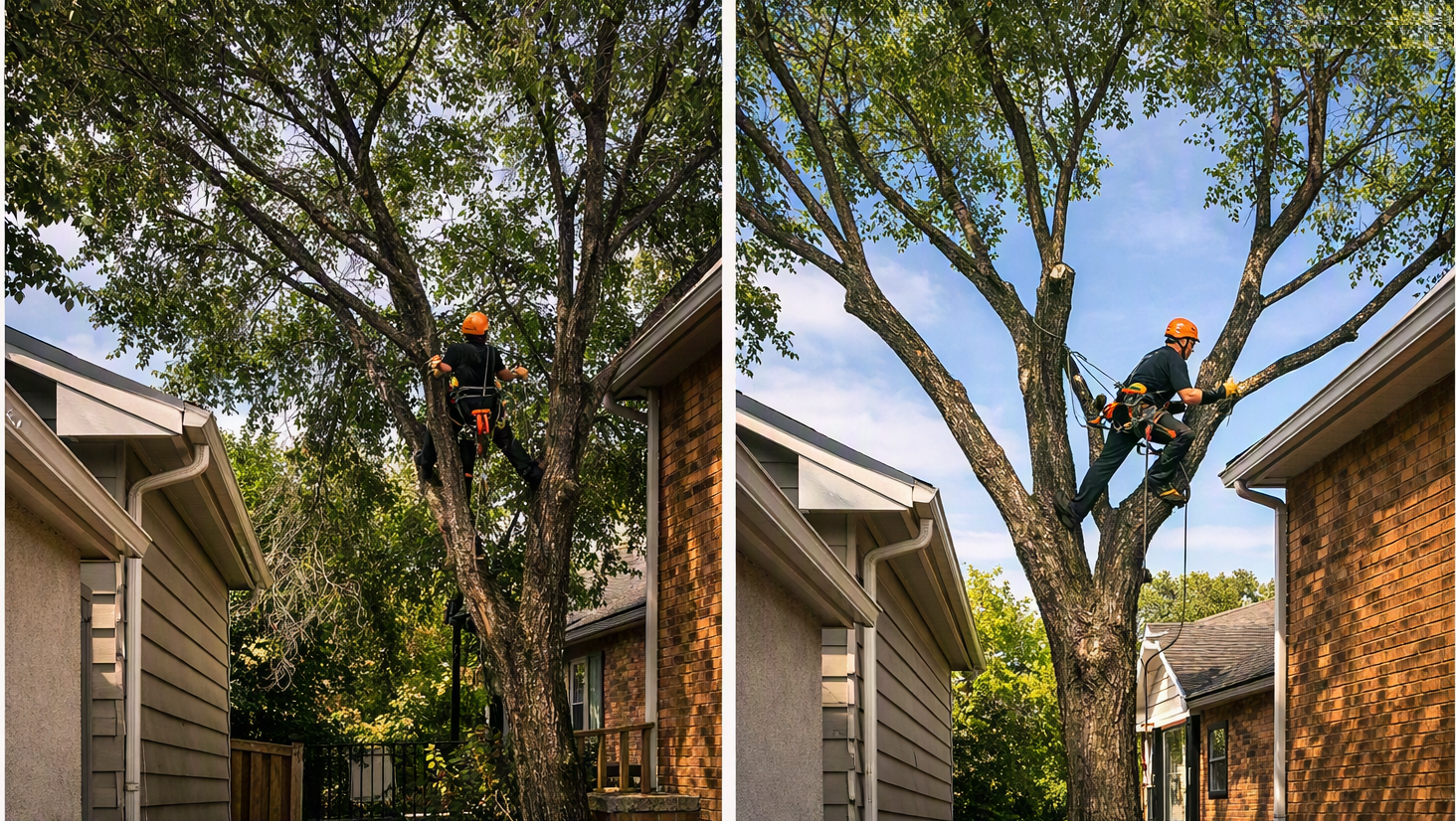
- Removing weak limbs
- Cabling or bracing vulnerable trees
- Clearing branches near roofs or power lines
🌲 Conclusion
A spring checkup is one of the simplest ways to protect your property and keep your trees thriving. If anything looks questionable, TreeSolve can assess the situation and recommend the safest, most cost‑effective solution.
👉 Contact us: https://www.treesolve.ca/contact-us
👉 Tree Removal: https://www.treesolve.ca/services/tree-removal
👉 Stump Grinding: https://www.treesolve.ca/services/stump-grinding
👉 Pruning/Trimming: https://www.treesolve.ca/services/pruning
👉 Tree Cabling: https://www.treesolve.ca/services/tree-cabling
👉 EAB Injections: https://www.treesolve.ca/services/emerald-ash-borer-injections
“TreeSolve Inc. provides ISA-Certified arborist services, large tree removals, trimming, and Emerald Ash Borer (EAB) treatments across Winnipeg,
MB
in neighborhoods
including the suburbs of Charleswood, River Heights, Tuxedo, Whyte Ridge, Linden Woods, Fort Richmond, Southdale, Island Lakes, Transcona, North Kildonan, West Kildonan, East Kildonan, etc., and surrounding communities: East St. Paul, West St. Paul, Headingley, Oak Bluff, and La Salle.
We are fully insured and WCB compliant.”