Winter Pruning — Why It’s Better Than You Think
Trevor Soltys & Paul Kasper
Watch: Why Winter Is A Good Time To Prune Trees In Winnipeg
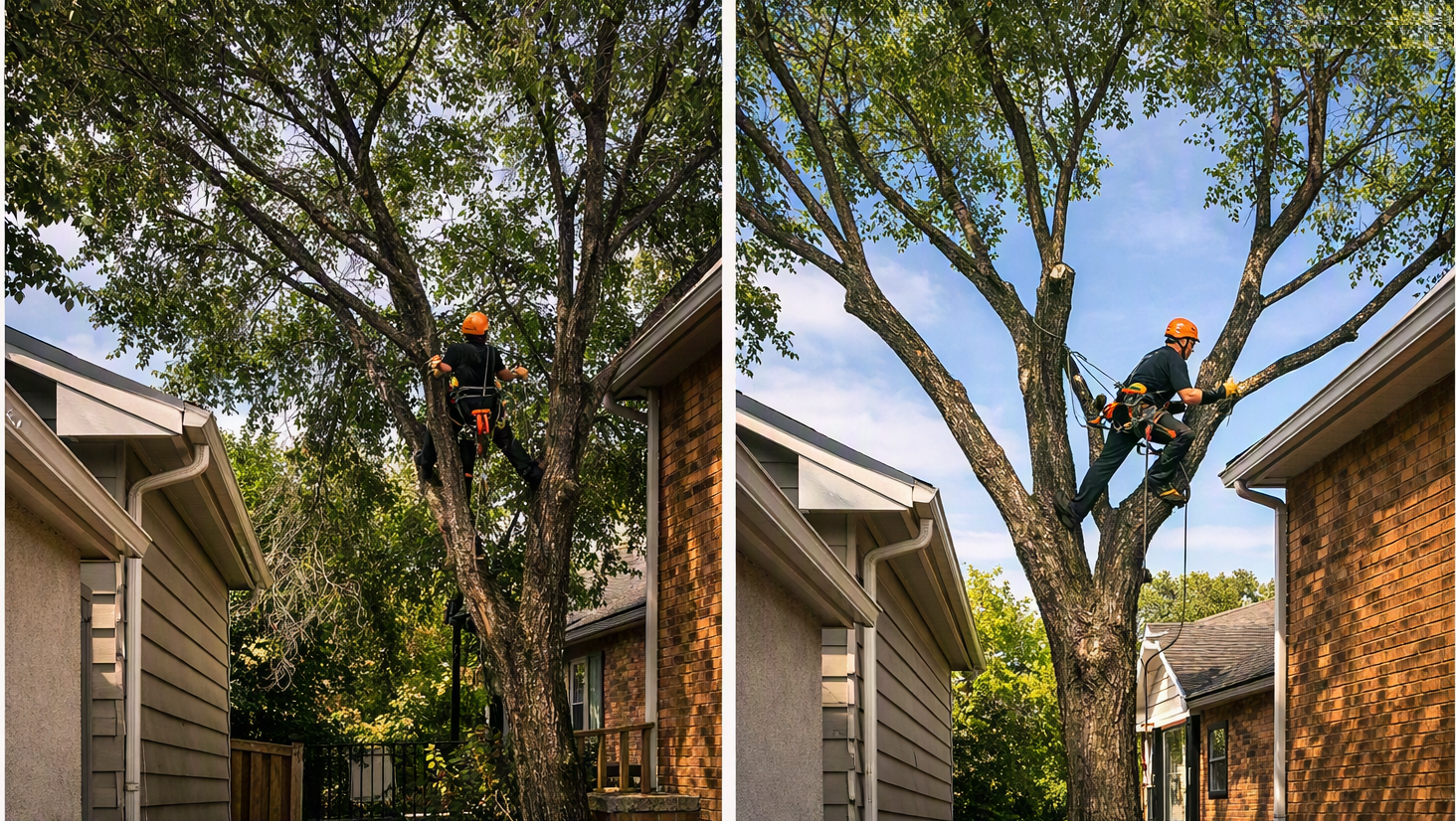
🌳 Winter is one of the best times to prune trees. With leaves gone and pests dormant, pruning is safer, cleaner, and healthier for your trees.
Benefits of Winter Pruning
- ✂️ Better visibility — branch structure is fully exposed
- 🦠 Lower disease risk — fungi and pests are inactive
- 🌱 Stronger spring growth — pruning redirects energy
- 🧤 Safer access — frozen ground supports equipment
What Trees Benefit Most
- Maples
- Elms (outside Dutch Elm Disease restrictions)
- Fruit trees
- Ornamental species
Conclusion
Winter pruning sets your trees up for a strong, healthy spring. TreeSolve offers expert dormant‑season pruning across Winnipeg.
👉 Contact us: https://www.treesolve.ca/contact-us
👉 Tree Removal: https://www.treesolve.ca/services/tree-removal
👉 Stump Grinding: https://www.treesolve.ca/services/stump-grinding
👉 Pruning: https://www.treesolve.ca/services/pruning
👉 Tree Cabling: https://www.treesolve.ca/services/tree-cabling
👉 EAB Injections: https://www.treesolve.ca/services/emerald-ash-borer-injections

Mulch is one of the best things you can give your trees — but only when it’s applied correctly. When mulch is used the wrong way, it can trap moisture, attract pests, weaken the trunk, and even kill a healthy tree over time. Here are the most common mulching mistakes we see in Winnipeg yards, and how to fix them so your trees stay strong and healthy. 1. “Volcano Mulching” Around the Trunk A mulch “volcano” is when mulch is piled high against the trunk. It looks tidy, but it causes: Bark rot Moisture buildup Pest and fungus problems Girdling roots Trunk decay Correct method: Keep mulch 3–6 inches away from the trunk. The base of the tree should always be visible. 2. Using Too Much Mulch A thick layer of mulch can: Suffocate roots Prevent oxygen from reaching the soil Encourage shallow, weak root growth Trap too much moisture Correct method: Keep mulch 2–4 inches deep , spread evenly. 3. Using the Wrong Type of Mulch Avoid: Dyed mulch Mulch with unknown fillers Mulch that smells sour or moldy These can introduce toxins or pests into your soil. Correct method: Use clean, natural, organic mulch that breaks down slowly and enriches the soil. 4. Mulching Too Close to the Roots Mulch should protect the root zone — not smother it. If mulch is piled directly over exposed roots, it can: Trap moisture Encourage fungal growth Cause roots to rot Correct method: Spread mulch in a wide, even ring , ideally reaching the tree’s drip line. 5. Not Refreshing Mulch Properly Old mulch can compact over time, preventing water and air from reaching the soil. Correct method: Each spring: Rake and fluff old mulch Remove excess buildup Add a thin fresh layer if needed Why Proper Mulching Matters Correct mulching: Protects roots Regulates soil temperature Reduces weeds Conserves moisture Improves soil health Helps young trees establish faster Done wrong, it can quietly damage your tree for years before symptoms appear. Need Help With Tree Health or Mulching? If you’re unsure whether your trees are mulched correctly — or if past mulching may have caused damage — our team at TreeSolve can help. We offer: Tree health assessments Professional pruning Tree removal (when necessary) Stump grinding Tree cabling & support systems Emerald Ash Borer injections 👉 Contact us: https://www.treesolve.ca/contact-us 👉 Tree Removal: https://www.treesolve.ca/services/tree-removal 👉 Stump Grinding: https://www.treesolve.ca/services/stump-grinding 👉 Pruning: https://www.treesolve.ca/services/pruning 👉 Tree Cabling: https://www.treesolve.ca/services/tree-cabling 👉 EAB Injections: https://www.treesolve.ca/services/emerald-ash-borer-injections
⚡ Introduction April marks the start of storm season — and trees that look “mostly fine” can become dangerous under high winds. Addressing risks now protects your home, vehicles, and family. 🌳 1. Dead or Hanging Branches These are the first to fall during storms. Signs: No buds Brittle wood Branches hanging or cracked Remove them immediately. 🌲 2. Trees Growing Too Close to Structures Branches near roofs or siding can cause thousands in damage. Look for: Branches touching your home Limbs overhanging driveways Trees leaning toward structures 🌬️ 3. Weak Branch Unions V‑shaped branch connections split easily in wind. If you see cracks or separation, cabling may be needed. 🌱 4. Root Problems Storms easily topple trees with compromised roots. Warning signs: Soil heaving Exposed roots Mushrooms at the base 🌩️ Conclusion A quick April inspection can prevent storm‑related emergencies. TreeSolve can identify risks and recommend safe, cost‑effective solutions. 👉 Contact us: https://www.treesolve.ca/contact-us 👉 Tree Removal: https://www.treesolve.ca/services/tree-removal 👉 Stump Grinding: https://www.treesolve.ca/services/stump-grinding 👉 Pruning: https://www.treesolve.ca/services/pruning 👉 Tree Cabling: https://www.treesolve.ca/services/tree-cabling 👉 EAB Injections: https://www.treesolve.ca/services/emerald-ash-borer-injections