Why Some Trees Fail in Summer Storms (And How to Prevent It)
Trevor Soltys & Paul Kasper
ISA‑Certified Arborists Serving Winnipeg & Surrounding Communities
https://treesolve.ca
🌪️ Why Summer Storms Hit Trees Harder Than You Think
Summer storms in Winnipeg can arrive fast — heavy winds, saturated soil, and sudden temperature swings. While most trees handle these conditions well, others fail dramatically. Understanding why helps homeowners prevent costly damage.
🌿 Common Reasons Trees Fail in Summer Storms
🌀 1. Hidden Structural Weaknesses
Cracks, cavities, and internal decay often go unnoticed until strong winds expose them.
These weaknesses reduce a tree’s ability to withstand lateral force, making failure more likely.
🌱 2. Shallow or Compromised Root Systems
Roots anchor the tree — but drought, construction, soil compaction, or fungal issues can weaken them.
Trees with shallow roots are especially vulnerable to uprooting during storms.
🌳 3. Overextended or Unbalanced Canopies
When branches grow unevenly, the canopy becomes lopsided.
This imbalance creates a “wind sail” effect, increasing the chance of breakage.
🌧️ 4. Saturated Soil After Heavy Rain
Waterlogged soil reduces root grip.
Even healthy trees can topple when the ground becomes too soft to support their weight.
🐛 5. Pest or Disease Damage
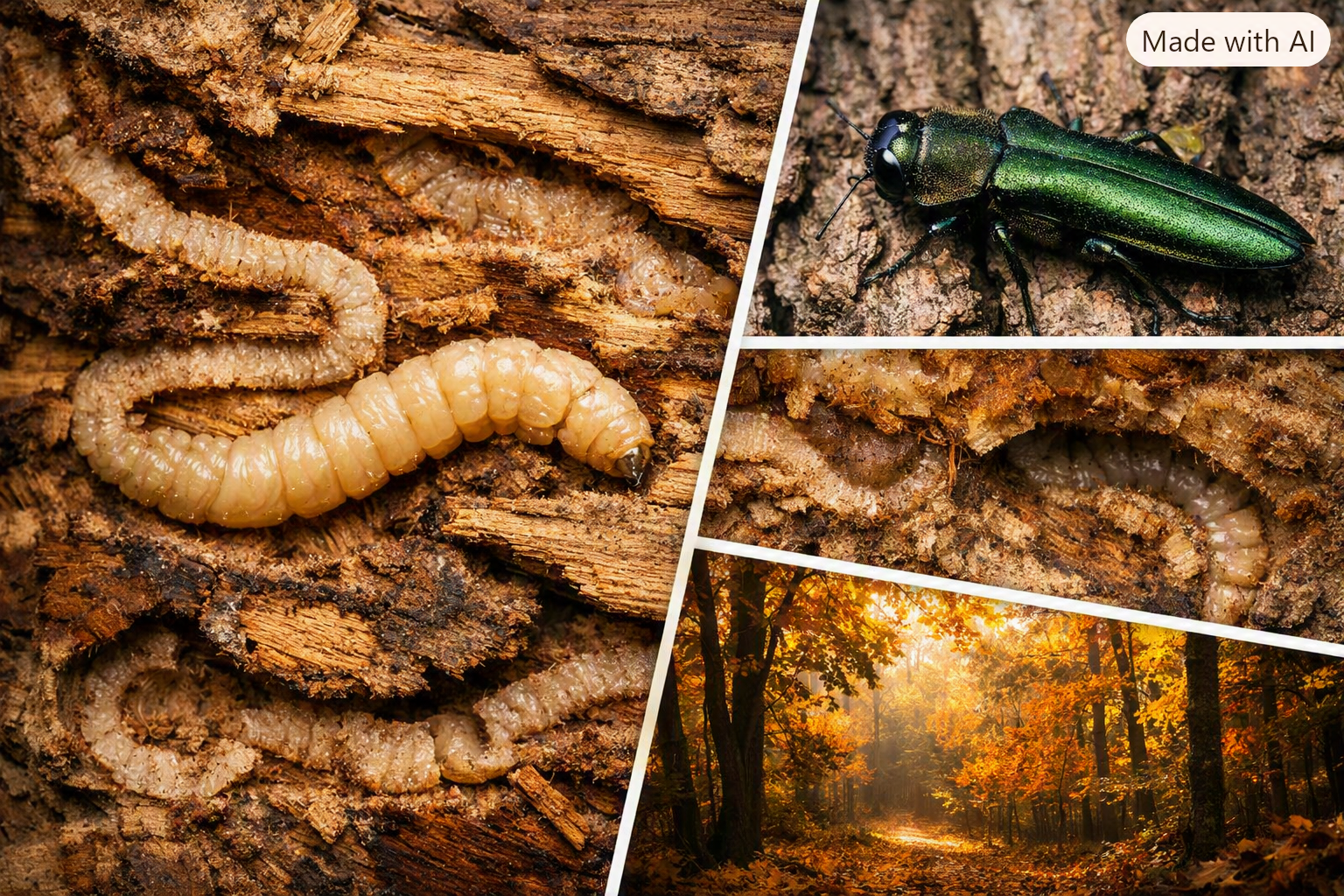
Emerald ash borer, canker diseases, and fungal infections weaken wood structure.
Trees may look fine externally but fail under storm pressure.
🛠️ How Homeowners Can Prevent Storm Damage
✂️ 1. Schedule Professional Pruning
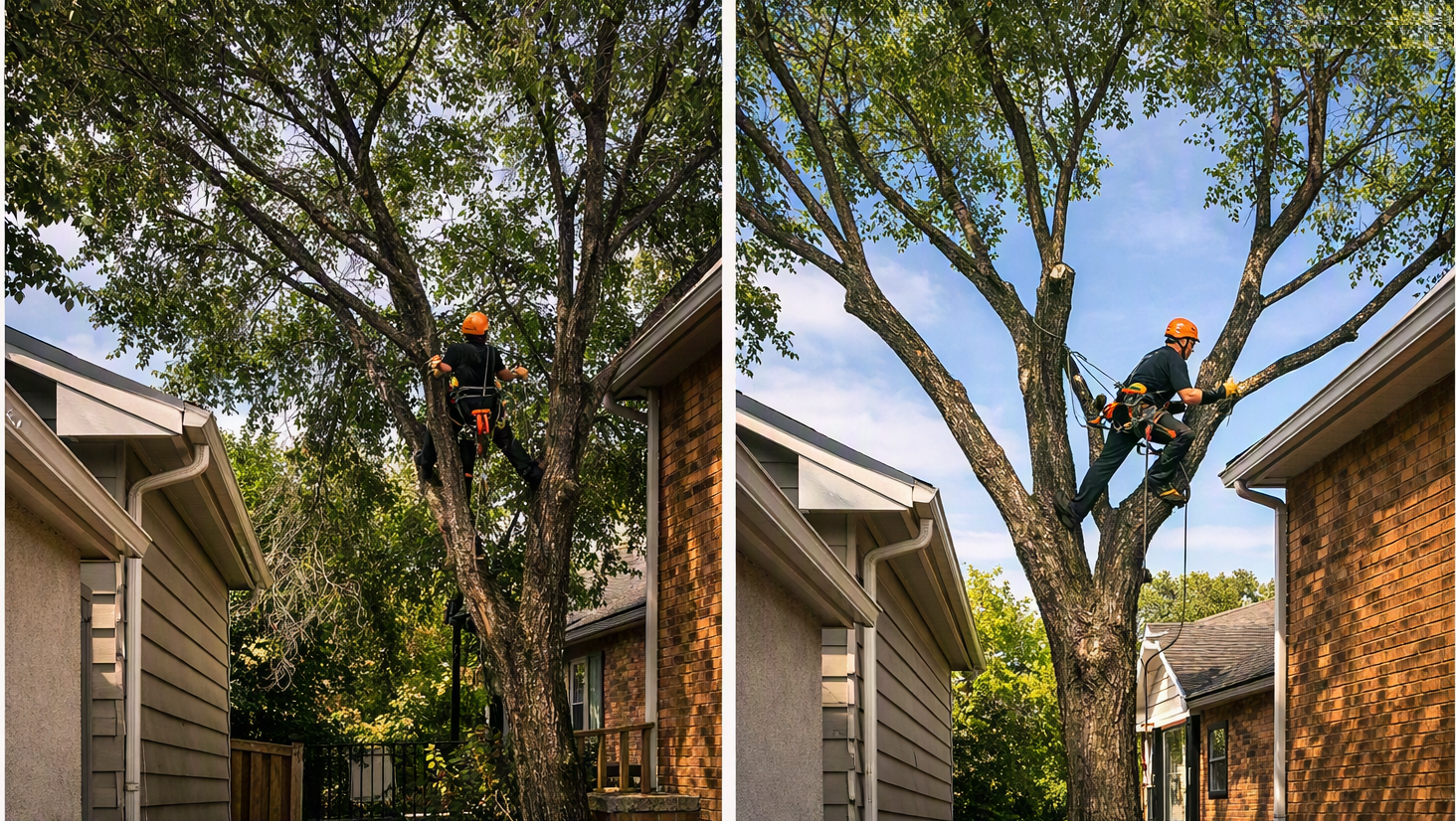
Proper pruning reduces wind resistance, removes weak limbs, and balances canopy weight.
Summer is an ideal time for structural pruning.
🔍 2. Get a Tree Health Assessment
Certified arborists can identify internal decay, root issues, and structural risks early.
🌿 3. Improve Soil and Root Conditions
Mulching, aeration, and proper watering strengthen root systems and overall stability.
🛡️ 4. Remove High‑Risk Trees Before Storm Season Peaks
If a tree is severely compromised, proactive removal prevents property damage.
🌤️ Final Takeaway
Trees rarely fail “out of nowhere.”
With regular care, inspections, and strategic pruning, homeowners can dramatically reduce storm‑related risks — and keep their yard safe all summer long.
👉 Contact us: https://www.treesolve.ca/contact-us
👉 Tree Removal: https://www.treesolve.ca/services/tree-removal
👉 Stump Grinding: https://www.treesolve.ca/services/stump-grinding
👉 Pruning/Trimming: https://www.treesolve.ca/services/pruning
👉 Tree Cabling: https://www.treesolve.ca/services/tree-cabling
👉 EAB Injections: https://www.treesolve.ca/services/emerald-ash-borer-injections
“TreeSolve Inc. provides ISA-Certified arborist services, large tree removals, trimming, and Emerald Ash Borer (EAB) treatments across Winnipeg,
MB
in neighborhoods
including the suburbs of Charleswood, River Heights, Tuxedo, Whyte Ridge, Linden Woods, Fort Richmond, Southdale, Island Lakes, Transcona, North Kildonan, West Kildonan, East Kildonan, etc., and surrounding communities: East St. Paul, West St. Paul, Headingley, Oak Bluff, and La Salle.
We are fully insured and WCB compliant.”