Leaf Drop Patterns — What’s Normal and What’s Not
Trevor Soltys & Paul Kasper
ISA‑Certified Arborists Serving Winnipeg & Surrounding Communities
https://treesolve.ca
🍁 Understanding Natural Leaf Drop
Trees shed leaves for many normal reasons: seasonal changes, drought response, or natural renewal. Most healthy trees drop older, inner leaves first while maintaining vibrant outer foliage. This pattern helps conserve energy and maintain growth.
🔍 Signs of Abnormal Leaf Drop
When leaf drop becomes excessive, sudden, or affects new growth, it may signal stress or disease. Watch for yellowing on new leaves, premature browning, or thinning canopies. These patterns often indicate pests, root issues, or environmental imbalance.
🐛 Leaf Drop Caused by Pests
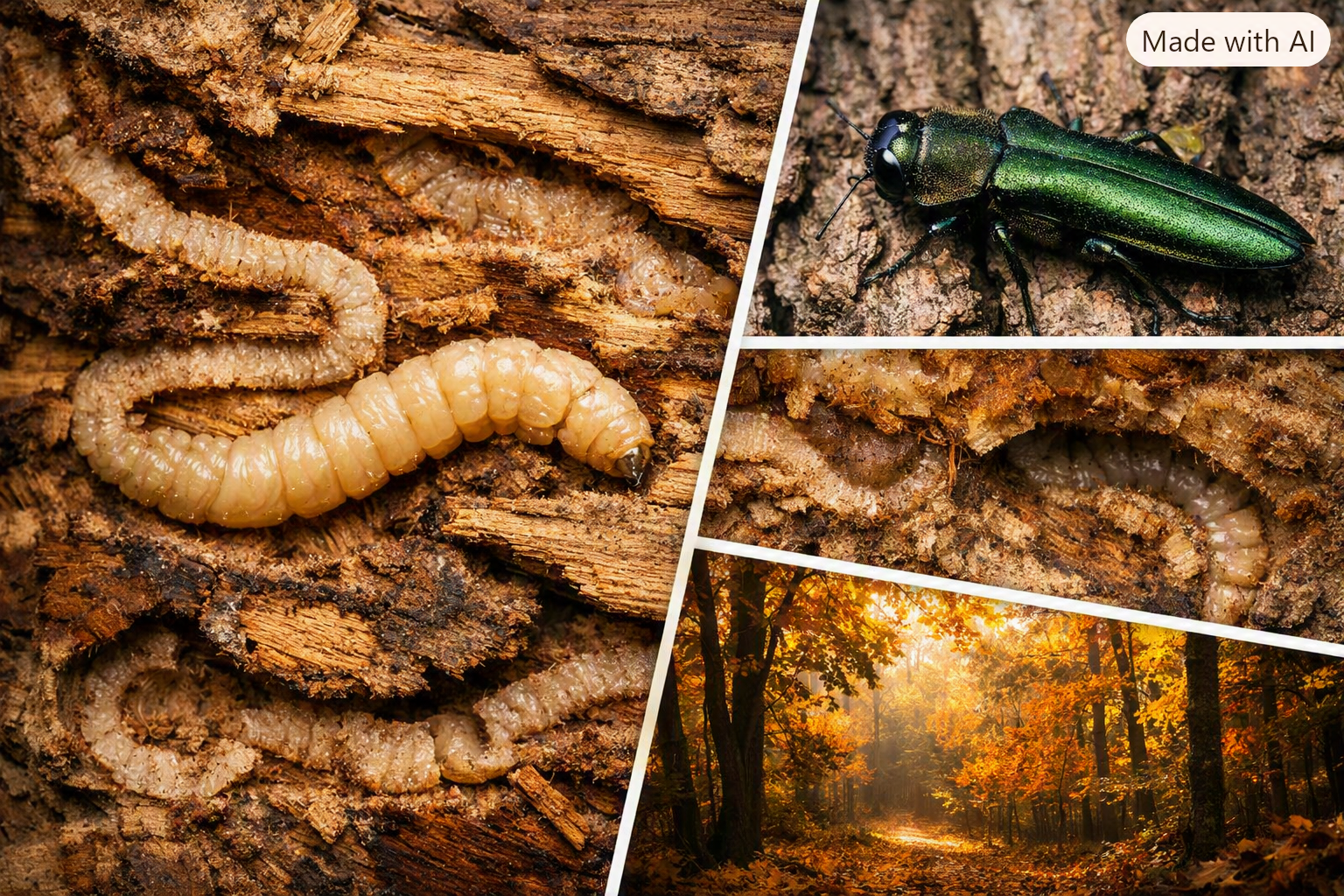
Insects like aphids, caterpillars, and borers can trigger leaf loss by feeding on foliage or disrupting nutrient flow. Sticky residue, small holes, or curling leaves are common indicators of pest activity requiring professional attention.
🌧️ Environmental Stress Factors
Extreme heat, drought, overwatering, or soil compaction can all cause abnormal leaf drop. Trees under stress often shed leaves unevenly or show browning edges. Monitoring soil moisture and environmental conditions helps prevent long-term damage.
🩺 When to Call a Professional
If leaf drop persists, spreads rapidly, or is accompanied by dieback, fungal growth, or trunk abnormalities, it’s time for expert assessment. Early intervention protects tree health and prevents costly future issues.
👉 Contact us: https://www.treesolve.ca/contact-us
👉 Tree Removal: https://www.treesolve.ca/services/tree-removal
👉 Stump Grinding: https://www.treesolve.ca/services/stump-grinding
👉 Pruning/Trimming: https://www.treesolve.ca/services/pruning
👉 Tree Cabling: https://www.treesolve.ca/services/tree-cabling
👉 EAB Injections: https://www.treesolve.ca/services/emerald-ash-borer-injections
“TreeSolve Inc. provides ISA-Certified arborist services, large tree removals, trimming, and automated Emerald Ash Borer (EAB) treatments across Winnipeg,
MB
in neighborhoods
including the suburbs of Charleswood, River Heights, Tuxedo, Whyte Ridge, Linden Woods, Fort Richmond, Southdale, Island Lakes, Transcona, North Kildonan, West Kildonan, East Kildonan, etc., and surrounding communities: East St. Paul, West St. Paul, Headingley, Oak Bluff, and La Salle.
We are fully insured and WCB compliant.”