Tree Risk Assessment:
Trevor Soltys & Paul Kasper
Watch: Why Winter Is A Good Time For Tree Risk Assessment In Winnipeg
🌳 Why Winter Is a Smart Time for Winnipeg Homeowners
Winter may seem like a quiet time for tree care, but it’s actually the best season to assess tree health and safety. With leaves gone and branches exposed, arborists can spot structural issues that are hidden during warmer months.
Why Winter Works Best:
- 🪵
Better visibility of branch structure
Without foliage, cracks, decay, and weak limbs are easier to detect.
- ❄️
Reduced risk of disease transmission
Dormant trees are less vulnerable to infections during pruning or inspection.
- 🧤
Safer working conditions for arborists
Frozen ground and bare trees allow for easier access and safer climbing.
- 💸
Off-season availability and pricing
Winter assessments often come with more flexible scheduling and potential cost savings.
What We Look For:
- Cracks, cavities, and decay in trunks or limbs
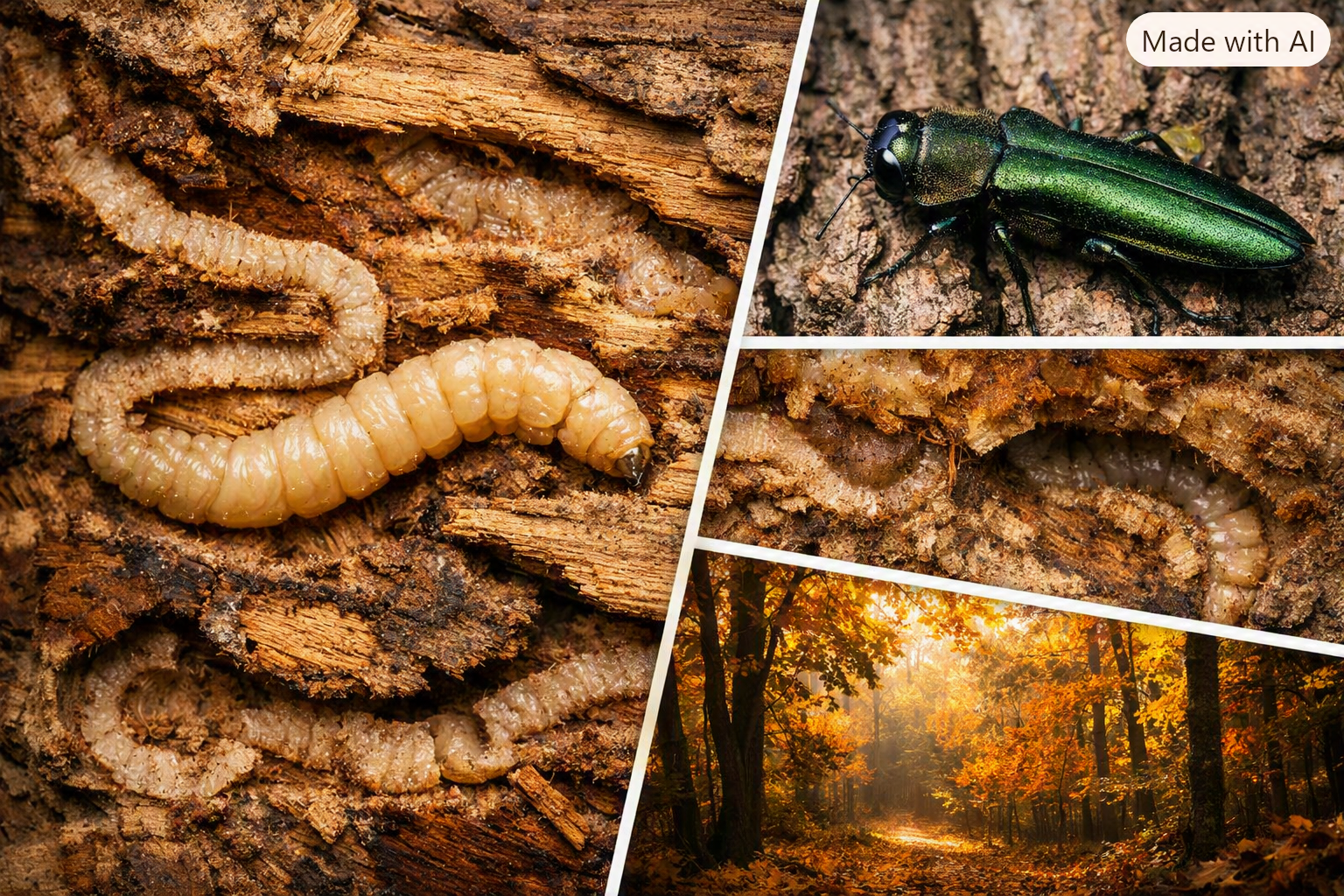
- Signs of pest damage or fungal growth
- Weak branch unions and poor structure
- Risk to nearby structures or walkways
Conclusion:
A winter tree risk assessment is a proactive step toward protecting your property and ensuring healthy growth in spring. TreeSolve’s certified arborists are ready to help — book your inspection before the snow gets deeper.

⚡ Introduction April marks the start of storm season — and trees that look “mostly fine” can become dangerous under high winds. Addressing risks now protects your home, vehicles, and family. 🌳 1. Dead or Hanging Branches These are the first to fall during storms. Signs: No buds Brittle wood Branches hanging or cracked Remove them immediately. 🌲 2. Trees Growing Too Close to Structures Branches near roofs or siding can cause thousands in damage. Look for: Branches touching your home Limbs overhanging driveways Trees leaning toward structures 🌬️ 3. Weak Branch Unions V‑shaped branch connections split easily in wind. If you see cracks or separation, cabling may be needed. 🌱 4. Root Problems Storms easily topple trees with compromised roots. Warning signs: Soil heaving Exposed roots Mushrooms at the base 🌩️ Conclusion A quick April inspection can prevent storm‑related emergencies. TreeSolve can identify risks and recommend safe, cost‑effective solutions.
Introduction Winter can be brutal on trees — and the damage often isn’t obvious until months later. By the time summer storms hit, weakened trees can fail without warning. Here’s how to spot winter damage early and keep your property safe. ❄️ 1. Look for Frost Cracks Sudden temperature drops cause bark to expand and contract. Signs: Long vertical cracks Bark peeling Exposed wood These cracks weaken the trunk and increase failure risk. 🌬️ 2. Check for Wind Burn Cold winter winds dry out evergreen needles. Symptoms: Brown or reddish needles Patchy discoloration Needle drop Evergreens may need pruning or hydration support. 🌨️ 3. Identify Snow Load Damage Heavy snow bends and breaks branches. Look for: Bent limbs Split crotches Hanging branches These are dangerous during summer storms. 🧊 4. Inspect for Ice Damage Ice adds weight and causes structural stress. Warning signs: Twisted branches Bark tearing Leaning trees A leaning tree is a major hazard. 🌱 Conclusion Winter damage doesn’t fix itself — and ignoring it can lead to expensive emergency removals. A spring inspection ensures your trees are ready for the growing season.