Winnipeg’s Tree Lifespans: How Long Local Species Live and How to Care for Them
Trevor Soltys & Paul Kasper
ISA‑Certified Arborists Serving Winnipeg & Surrounding Communities
https://treesolve.ca
🌳 The Lifespan of Common Tree Species in Winnipeg, MB: Longevity and Care Needs
Winnipeg’s landscape is shaped by hardy trees that withstand frigid winters, dry summers, and prairie winds. Whether you're planting for shade, beauty, or biodiversity, knowing how long these trees live — and how to care for them — helps ensure your green investment thrives for decades.
🌲 Prairie-Proof Evergreens
- White Spruce (Picea glauca)
- Lifespan: 200+ years
- Care: Adaptable to most soils, prefers full sun. Water during droughts and watch for spruce budworm.
- Eastern White Cedar (Thuja occidentalis)
- Lifespan: Up to 400 years
- Care: Thrives in moist, well-drained soil. Prune to maintain shape and prevent snow damage.
These evergreens offer year-round greenery and shelter for birds — perfect for Winnipeg’s urban and rural settings.
🍁 Deciduous Stalwarts
- Bur Oak (Quercus macrocarpa)
- Lifespan: 200–300 years
- Care: Drought-tolerant once established. Needs space to grow and benefits from deep watering during dry spells.
- Manitoba Maple (Acer negundo)
- Lifespan: 30–60 years
- Care: Fast-growing but prone to storm damage. Regular pruning helps manage its shape and health.
- American Elm (Ulmus americana)
- Lifespan: 100–200 years (if disease-free)
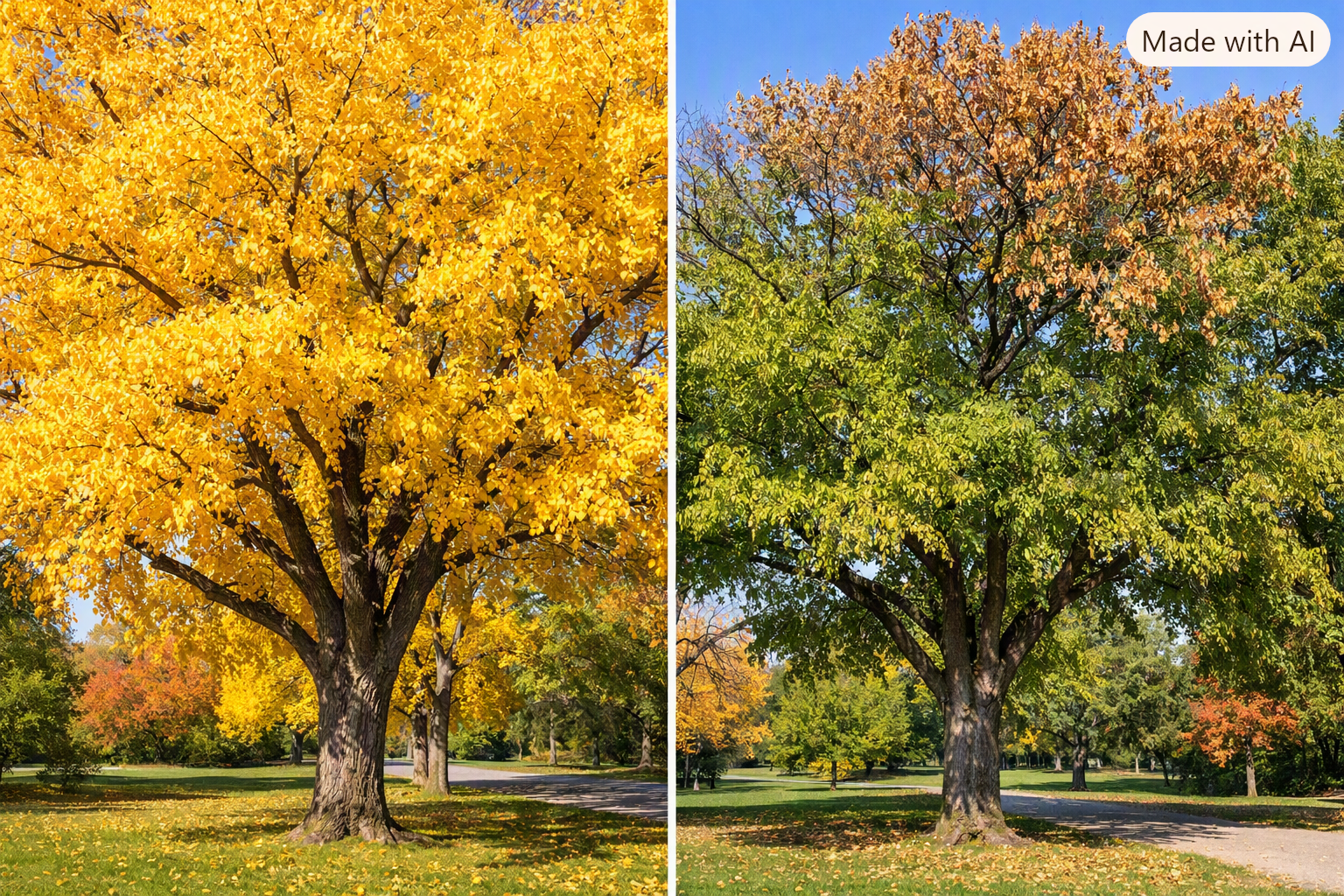
- Care: Requires monitoring for Dutch elm disease. DED-tolerant cultivars like ‘Brandon’ and ‘Prairie Expedition’ are recommended.
These trees are iconic in Winnipeg’s boulevards and parks, offering shade and seasonal beauty.
🌸 Smaller Trees with Big Personality
- Saskatoon (Amelanchier alnifolia)
- Lifespan: 30–50 years
- Care: Prefers well-drained soil and full sun. Produces edible berries and attracts pollinators.
- Wild Plum (Prunus americana)
- Lifespan: 20–40 years
- Care: Needs good air circulation and pruning to prevent disease. Offers fragrant spring blooms.
These compact trees are great for smaller yards and add ecological value to urban gardens.
🌱 Winnipeg Tree Wisdom: Care Tips for Longevity
- Mulch Smartly: Helps retain moisture and insulate roots — especially important during Winnipeg’s freeze-thaw cycles.
- Water Deeply: Young trees need consistent watering; mature trees benefit from occasional deep soaks.
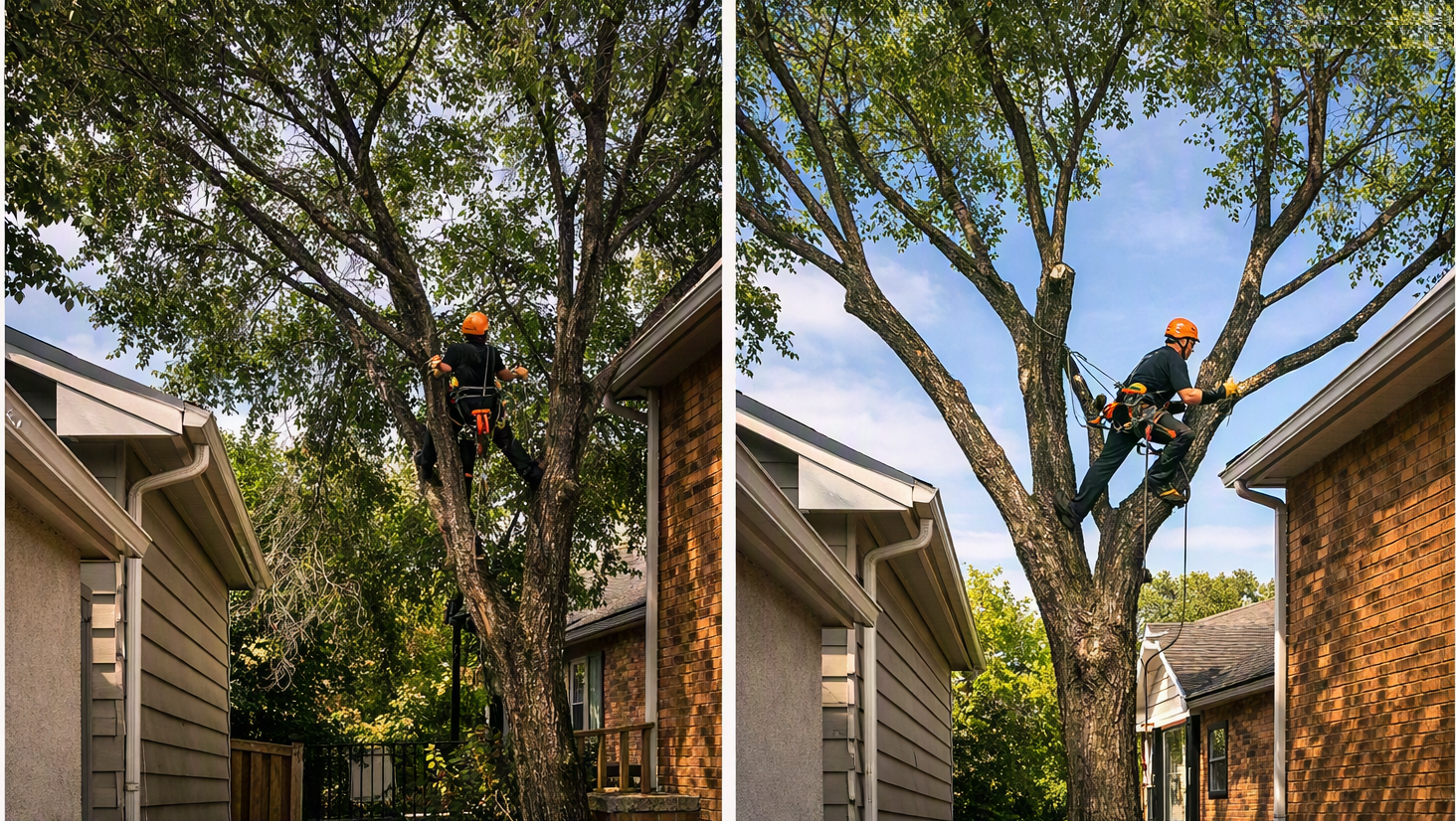
- Prune Regularly: Remove deadwood and shape trees to prevent storm damage.
- Choose Wisely: Opt for native or DED-tolerant species to reduce maintenance and increase survival.
🌾 Planting for the Prairie Future
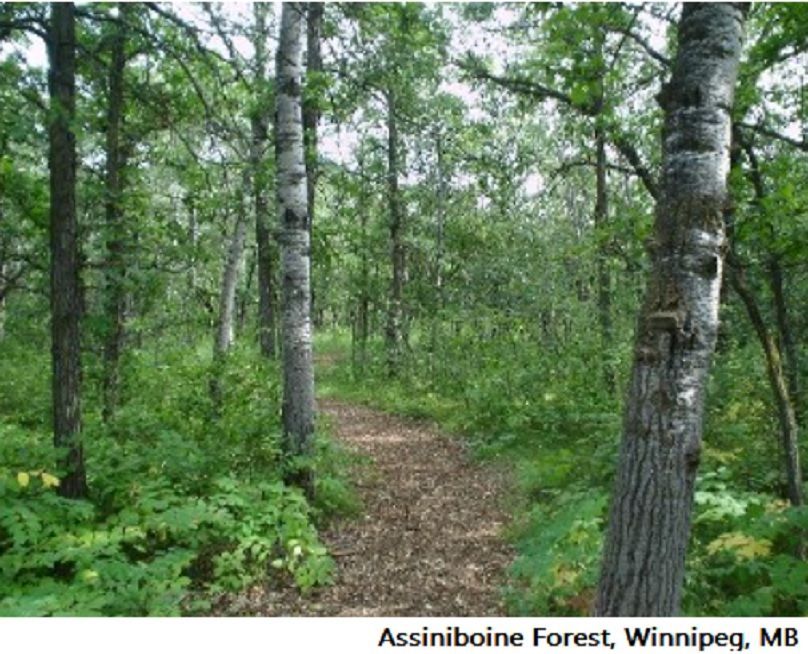
In Winnipeg, trees are more than decoration — they’re part of the city’s identity. From the towering oaks of Assiniboine Park to the resilient spruces lining suburban streets, each tree tells a story of endurance and care. By choosing species suited to Manitoba’s climate and tending them with intention, you’re planting a legacy that will outlast seasons and generations.
👉 Contact us: https://www.treesolve.ca/contact-us
👉 Tree Removal: https://www.treesolve.ca/services/tree-removal
👉 Stump Grinding: https://www.treesolve.ca/services/stump-grinding
👉 Pruning/Trimming: https://www.treesolve.ca/services/pruning
👉 Tree Cabling: https://www.treesolve.ca/services/tree-cabling
👉 EAB Injections: https://www.treesolve.ca/services/emerald-ash-borer-injections
“TreeSolve Inc. provides ISA-Certified arborist services, large tree removals, trimming, and Emerald Ash Borer (EAB) treatments across Winnipeg,
MB
in neighborhoods
including the suburbs of Charleswood, River Heights, Tuxedo, Whyte Ridge, Linden Woods, Fort Richmond, Southdale, Island Lakes, Transcona, North Kildonan, West Kildonan, East Kildonan, etc., and surrounding communities: East St. Paul, West St. Paul, Headingley, Oak Bluff, and La Salle.
We are fully insured and WCB compliant.”